Live Light: Everyday Essentials Without the Waste
Today we explore package-free daily essentials, celebrating smart swaps that reduce clutter, save money, and keep plastic out of landfills and oceans. Expect practical tips, real-world stories, and gentle guidance to make changes that actually stick. Whether you are curious or committed, you will find simple, joyful steps to reimagine soap, groceries, grooming, cleaning, and travel in ways that respect your time, budget, and the planet.

Start Small, Change Everything

Most single-use packaging is designed for moments but lingers for decades. Package-free daily essentials flip that pattern by making refills, durable materials, and thoughtful preparation the default. Begin with one swap—perhaps a solid shampoo bar or a reusable produce bag—then build gradually. Momentum grows when routines feel natural, not forced, and the rewards are immediate: cleaner spaces, fewer late-night trash runs, and a calm sense of stewardship that brightens ordinary tasks.

Know Your Materials Before You Buy

Glass, stainless steel, and untreated wood last; thin plastic films rarely do. When choosing a container or tool, consider durability, repairability, and end-of-life options like refill, recycle, or compost. A single sturdy jar can replace dozens of disposable bottles if you label it well, keep it dry, and commit to refilling. Understanding material strengths helps you avoid greenwashing and invest in items that quietly serve you for years.

Source Smarter With Refilleries and Markets

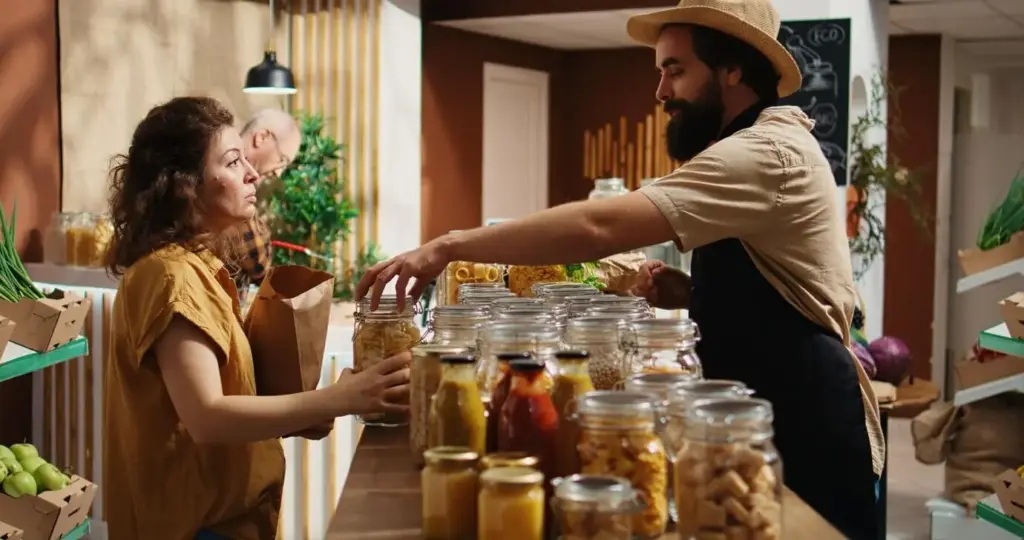
Refill shops, food co‑ops, and bulk markets simplify package-free living by letting you bring containers and pay by weight. Ask for tare at the counter, keep lids off for weighing, and record product names on washable labels. Many stores now offer fragrance-free or sensitive-skin options, plus verified biodegradable formulas. When a shop is distant, organize a friend group to carpool monthly, splitting larger purchases while enjoying conversation and shared savings.

Set Up Simple Home Stations That Work

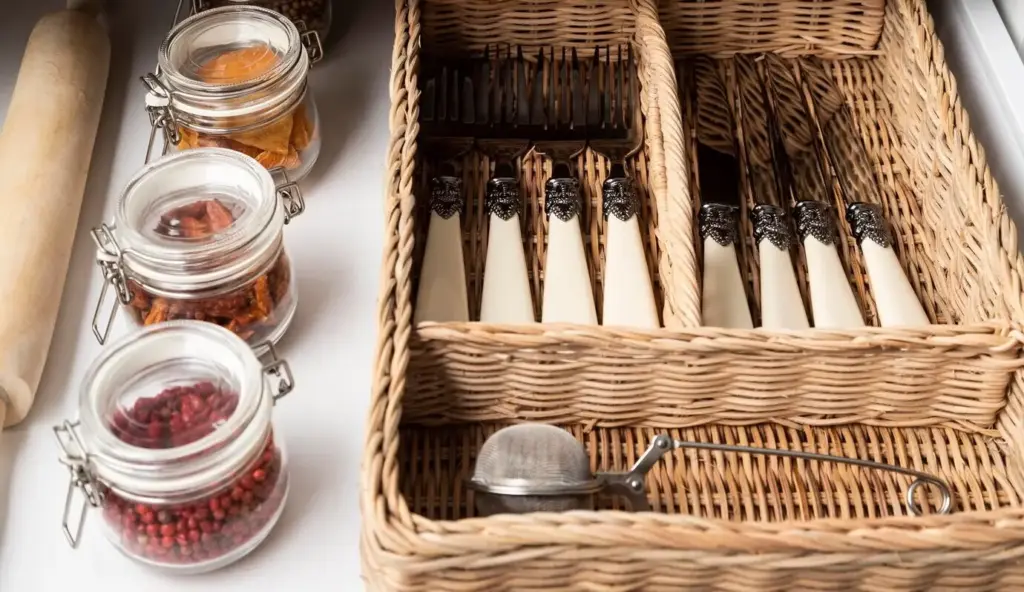
A small staging area near your door can hold clean jars, mesh produce bags, and a compact scale card listing typical weights. In the bathroom, use slatted trays to dry bars quickly; in the kitchen, keep funnels and scoops clipped to a hook. Clear systems make refilling nearly automatic, preventing half-finished experiments from drifting back to disposables. Treat your stations like tools, not decor, and you will actually use them.

From Shower to Sink: Effortless Bathroom Swaps

The bathroom generates surprising packaging, from plastic pumps to crinkly wrappers. Package-free options excel here because humidity-friendly storage and compact bars reduce clutter. Solid shampoo and conditioner, stainless safety razors, toothpaste tablets, and refillable deodorant cases streamline mornings. You are not settling for less; you are choosing concentrated formulas and tools designed to be maintained. With a few habits—drying bars, airing razors, decanting refills—you will notice cleaner countertops and a gentler footprint.

Groceries and the Joy of a Tidy Pantry

Produce Without Plastic, From Stall to Fridge

Carry nested mesh bags and one lightweight crate or basket to market. Ask vendors to place items directly inside your bags, then group by storage needs: crisp drawer, countertop, or cool dark shelf. At home, snip greens’ stems and store in a damp towel. Small rituals—rinsing berries only before eating, keeping herbs upright in water—reduce spoilage. Packaging becomes unnecessary when you handle produce carefully and give it breathable, respectful space.

Bulk Staples That Make Weeknights Easy

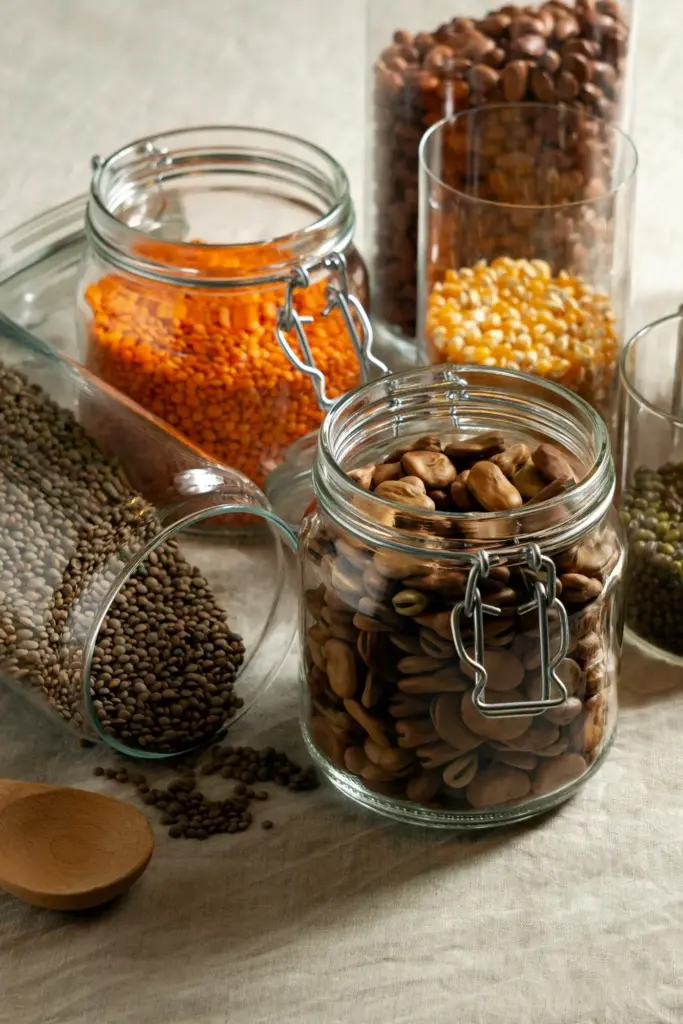
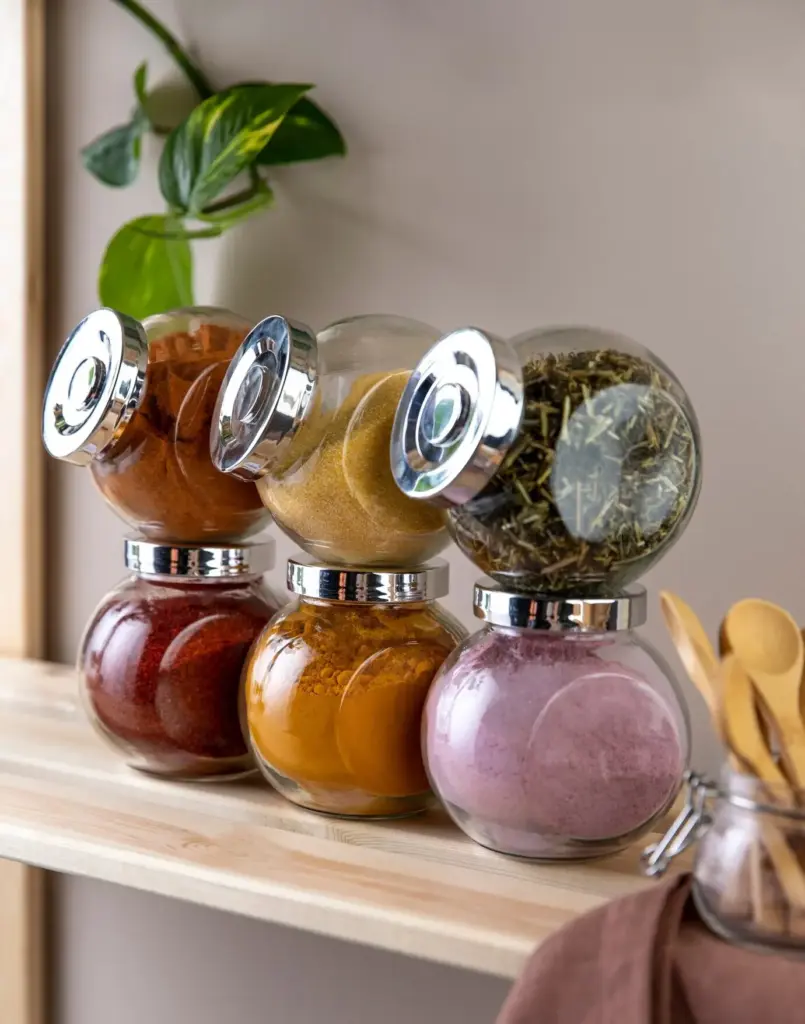
Bring pre-weighed jars with tare recorded on lids. Refill rice, lentils, nuts, pasta, and spices you truly use. Decant immediately when home to avoid mystery bags, then place newer refills behind older portions. Keep a chalk marker or pencil for updating dates and cooking tips directly on glass. Your pantry soon becomes self-explanatory to everyone in the house, preventing duplicate purchases, last-minute panic, and the clutter that packaging reliably introduces.

Dishes and Cleaning, Reimagined Simply

A solid dish soap block and a wooden brush replace plastic bottles without sacrificing performance. Scrape plates first, use a basin to soak, and swipe the block briefly to build suds. For surfaces, mix concentrated refills into a single glass spray bottle. Store tabs and powders in airtight jars labeled with dilution ratios. The result is fewer bottles, clearer counters, and routines that feel like skilled care rather than endless, crinkly plastic chores.

Everyday Carry That Stays Ready

Choose a flat, leak-resistant container that fits your usual bag, plus a metal straw, small bottle for water, and a quick-dry napkin. After each use, wash promptly so the kit resets automatically. Keep a backup spoon in your car or desk for unexpected lunches. A small weigh card and pen help when buying bulk snacks. Preparedness beats perfection; a few reliable tools prevent dozens of disposable moments across an ordinary week.

Scripts That Make Takeout Friendly

Clear, kind words work wonders: “I brought a clean container. Could you place my order in this?” Offer it early, smile, and thank staff. If policies restrict containers, ask for no utensils, sauces on the side, and minimal paper. Note businesses that accommodate and support them regularly. Share positive experiences with friends, creating demand for better practices. Your calm script reduces awkwardness, opens doors, and turns takeout into a partnership rather than compromise.

Affordable, Practical, and Kind to Your Schedule

Package-free living succeeds when it respects budgets and time. Start by using what you already have, then prioritize high-impact swaps with clear savings, like safety razors and bulk pantry refills. Plan refills alongside regular errands to avoid extra trips. Track wins—money saved, trash skipped—to keep motivation visible. Remember, it is a marathon of small decisions, not an expensive sprint. Gentle persistence beats guilt every time and turns actions into enjoyable habits.

01

Use What You Have First, Always

Finish existing products before switching. Repurpose pasta jars for grains, bottles for soap, and old towels for cleaning rags. Avoid buying a matching set of containers until you know your real sizes and habits. Function comes first; aesthetics follow naturally when clutter fades. This patient approach protects your budget, prevents waste disguised as progress, and builds confidence because every change is anchored in something you already understand and can maintain.

02

A Gentle Swap Plan That Actually Sticks

List five daily routines—shower, coffee, lunch, dishes, laundry—and propose one package-free improvement for each. Tackle one per week, not all at once. Set reminders to refill, keep notes on what worked, and adjust without shame. After a month, repeat the cycle, upgrading where you felt ease and pausing where friction remained. Incremental wins compound quickly, and the plan becomes yours rather than a trend you must chase breathlessly.

03

DIY Only Where It Helps You

Homemade cleaners, like vinegar spray with citrus peels or gentle powdered scrub, can reduce packaging fast. But DIY should save time and money, not create stress. Test small batches, record ratios on jars, and share extras with neighbors. For personal care, choose simple, dermatologist-vetted recipes or stick to store refills. The goal is reliability you trust, not perfection. When DIY feels supportive, it becomes a pleasant craft rather than another obligation.

Community, Accountability, and Lasting Momentum
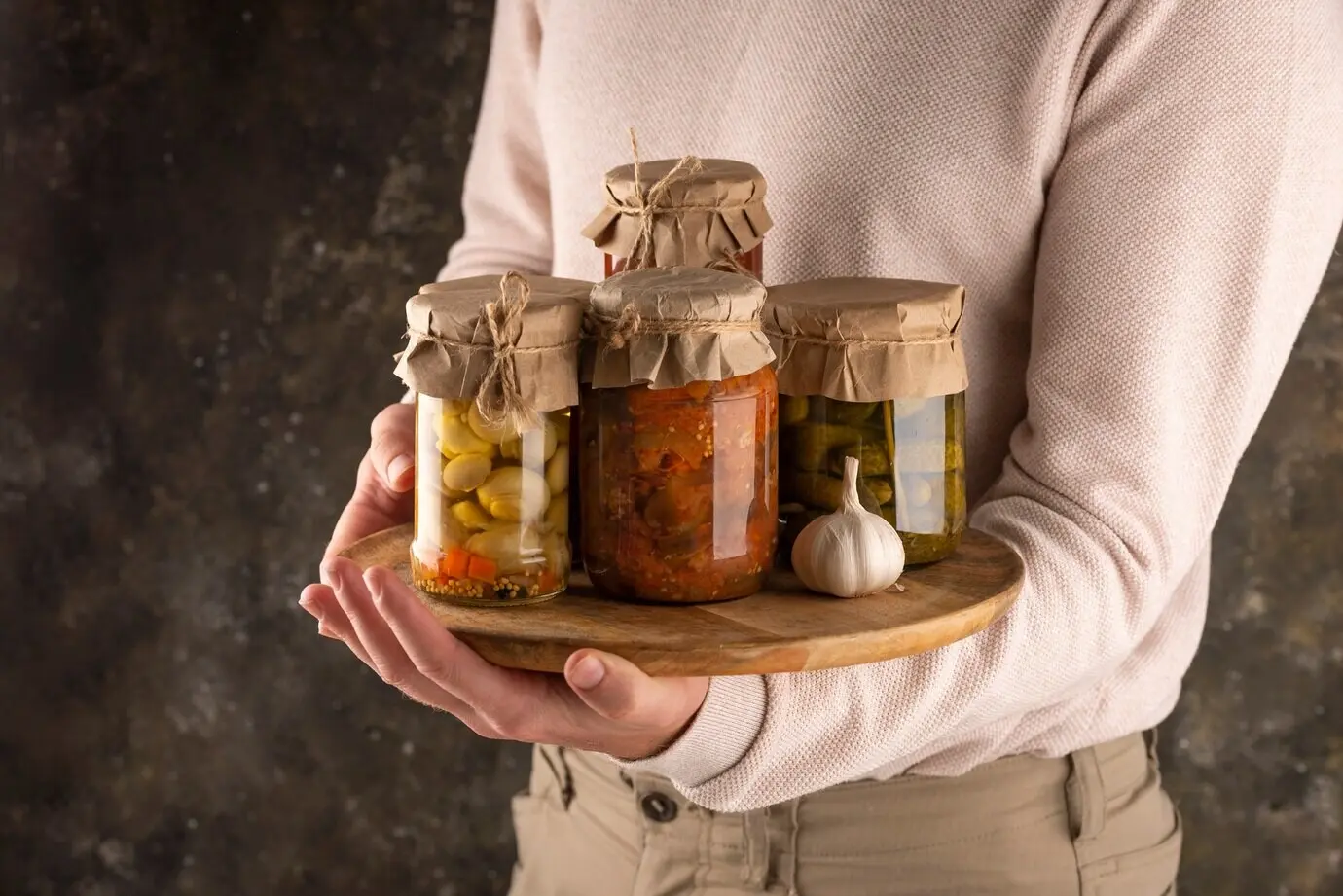
Progress is easier with friends and local businesses cheering you on. Map nearby refilleries, bulk bins, and repair cafes, then introduce yourself. Share your favorite swaps online, invite feedback, and stay curious about others’ solutions. Celebrate imperfection while tracking tangible results: fewer trash bags, calmer cupboards, and money redirected to better tools. Join our conversation, subscribe for updates, and tell us what you are testing next—we will highlight clever ideas and lessons learned.
Tarilenutuko
Privacy Overview

This website uses cookies so that we can provide you with the best user experience possible. Cookie information is stored in your browser and performs functions such as recognising you when you return to our website and helping our team to understand which sections of the website you find most interesting and useful.