Build a Smart Home Refill Station for Everyday Liquids
Why Refill Beats Single‑Use, Every Single Day
Pick a Practical Location
Mind Ergonomics and Flow
Safety Absolutely Matters
Choosing Materials That Match
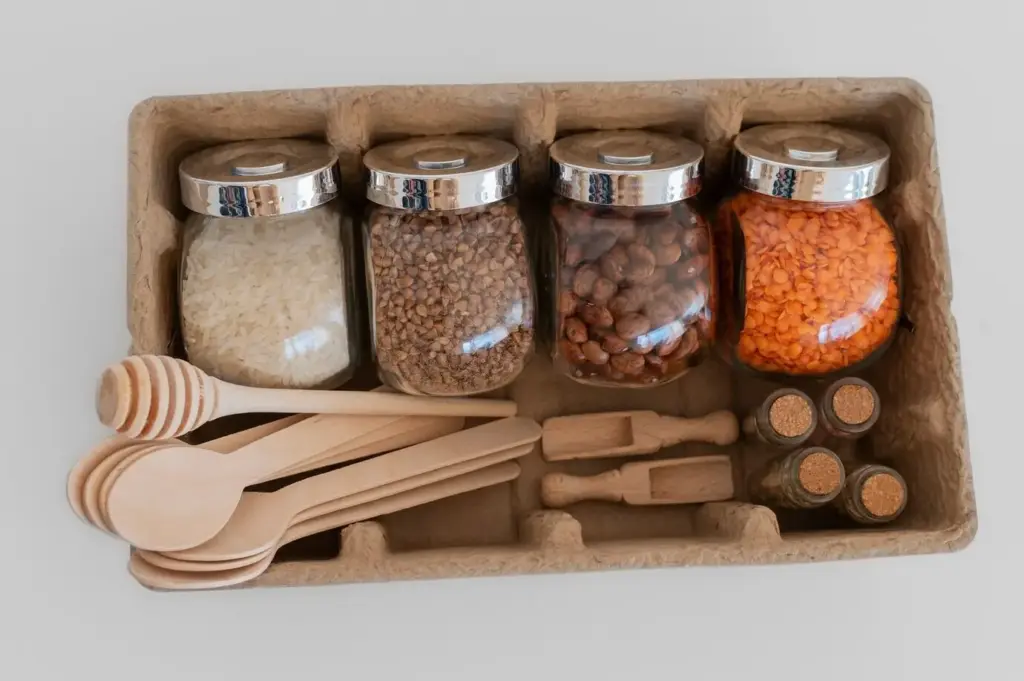
Glass is inert and beautiful for soaps, but heavy. HDPE #2 plastics resist most detergents. Stainless steel excels for oils and concentrates, thanks to durability and easy sanitation. Match container material to pH, fragrance load, and viscosity to prevent clouding, warping, or unwanted odors over time.
Labeling That Actually Works
Use waterproof, oil‑resistant labels with clear product name, dilution ratio, refill date, and safety notes. Add color bands for categories like kitchen, bath, or laundry to prevent confusion. A simple label maker or printed templates keep everything consistent, readable, and friendly for guests and kids.
Tools for Smooth Transfers
Stock narrow and wide funnels, a food‑safe transfer pump, and a small digital scale for precise dilutions. A pitcher with a spout makes decanting less messy. Keep microfiber cloths, nitrile gloves, and a drip tray nearby so spills feel manageable and cleanup takes seconds, not minutes.
Finding Reliable Refill Sources
Safe Handling, Hygiene, and Compatibility
The Decanting Ritual
A Flow That Feels Natural
Get the Household Onboard
Setup, Workflow, and Everyday Habits
Clogs, Leaks, and Sticky Pumps
Flush pumps in warm water, soak stubborn residue with a mild detergent, and lubricate threads lightly with food‑safe grease if recommended. Replace cracked seals promptly. If viscosity overwhelms a pump, switch to a larger‑bore model or a gravity spigot for clean, predictable dispensing every time.
Spill Response Without Panic
Keep absorbent cloths, paper towels, and a small scoop of baking soda or kitty litter for oils. Work from the outside inward, avoid water on oil spills, and dispose properly. A quick reset routine prevents stains, slippery floors, and the stress that can derail healthy refilling habits.
Quarterly Refresh and Audit
Empty and wash dispensers, sanitize with a suitable solution, and let everything dry completely before refilling. Review usage notes, prune duplicates, and test a single new product intentionally rather than impulse‑adding three. Share photos with friends, invite feedback, and celebrate how much packaging you no longer buy.
All Rights Reserved.