Greener Kitchens Begin with Everyday Swaps

Today we explore compostable and reusable alternatives for common kitchen items, turning daily routines into meaningful climate actions without sacrificing comfort or flavor. Expect practical guidance, science made simple, and real stories that prove small changes add up. We will compare materials, share care tips, outline disposal paths, and map the quickest wins for busy households. Join in, ask questions, and share your experiences so others can learn from your successes and your honest missteps.

Why Changing Small Habits Matters Now
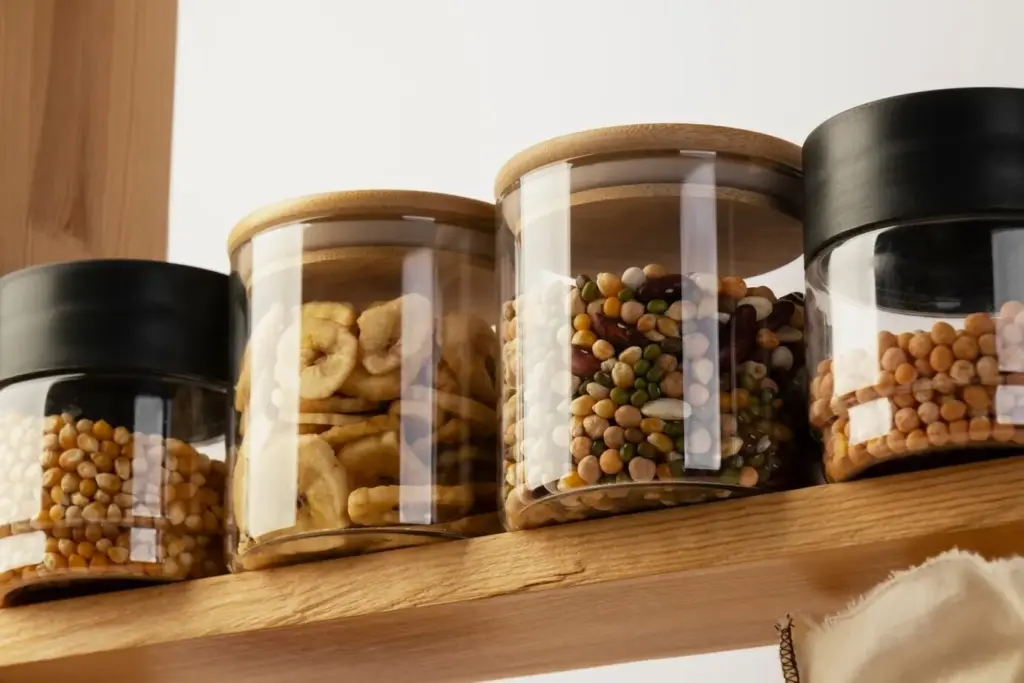
Kitchen habits shape a large share of household waste, from paper towels and plastic wrap to disposable sponges and bags. Each swap reduces landfill volume, avoids methane from decomposing organics, and curbs microplastic shedding. Reusable and compostable options also simplify weekly shopping, as you buy fewer replacements and rely on durable, repairable gear. The result is cleaner cupboards, lower bills, and a calmer conscience. Start with one change this week, celebrate progress, and expand when the new routine feels effortless.

Compostable Choices That Truly Break Down

Compostable does not always mean it disappears in a backyard heap. Some items require industrial conditions—steady heat, moisture control, and active turning—to fully break down. Look for credible certifications, such as BPI or EN 13432, and read guidance about home versus facility composting. Favor simple, fiber-rich items like unbleached paper, bagasse, or palm leaf for better home results. Keep contamination low by removing plastic stickers and avoiding grease-laden residues. Thoughtful sorting protects compost quality and community trust.

Food Storage Without Plastic

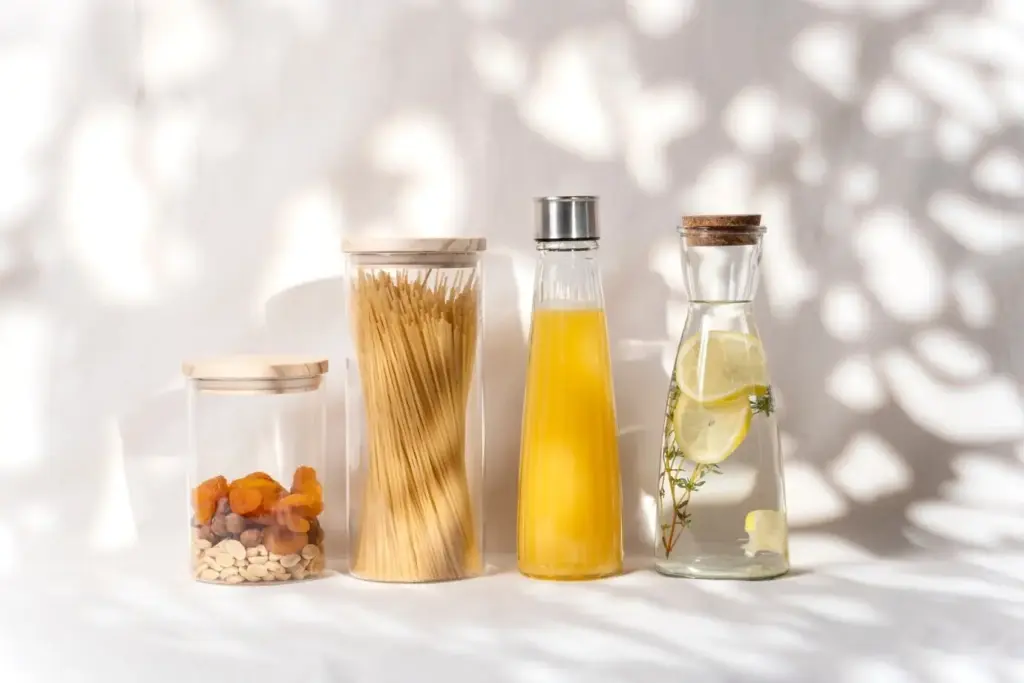
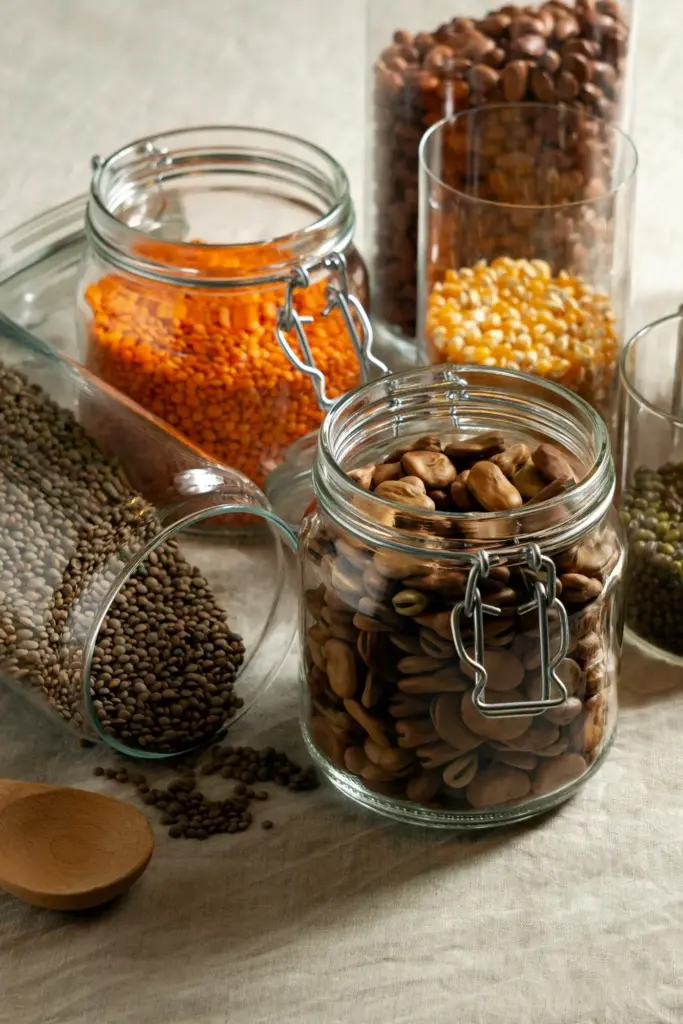
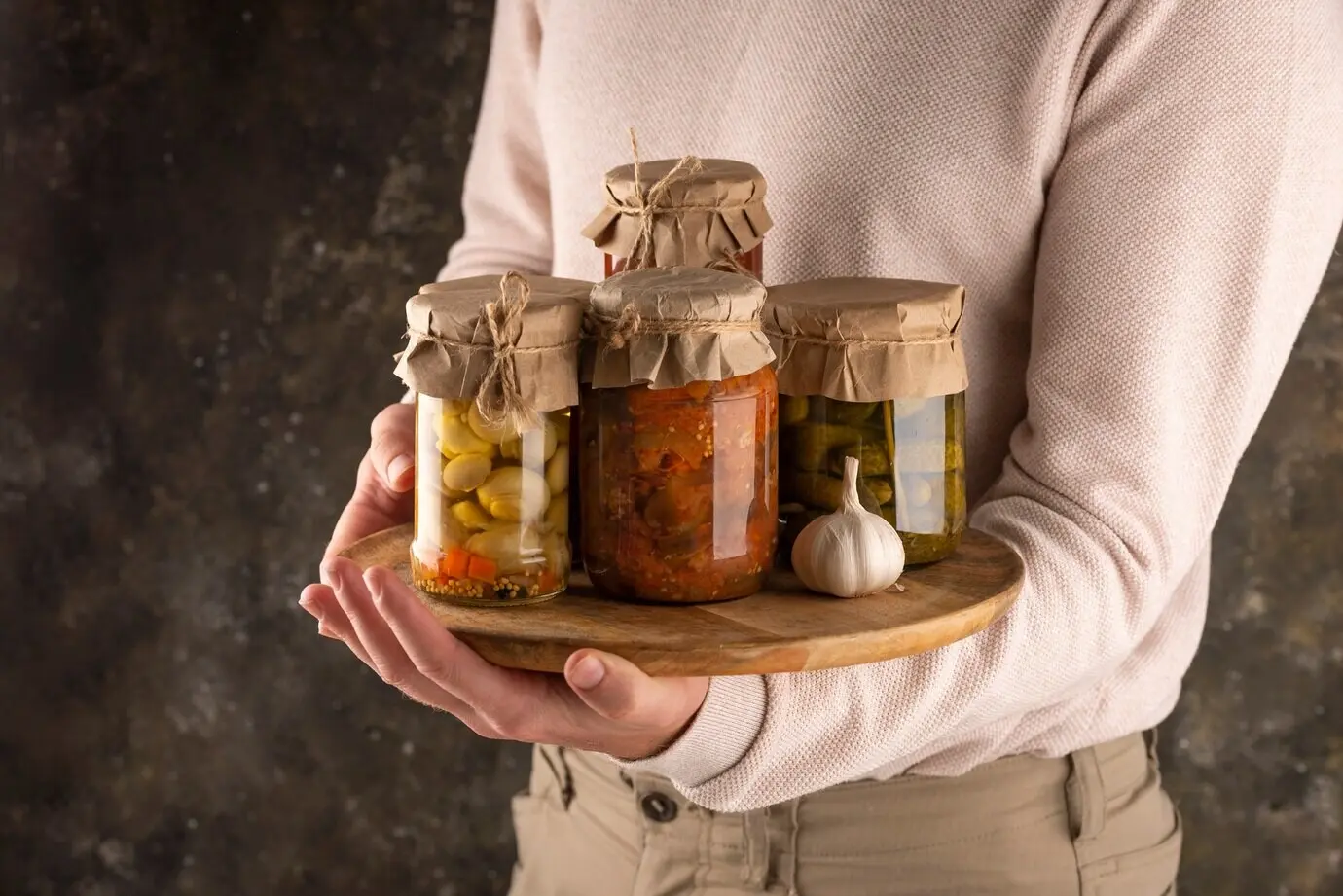
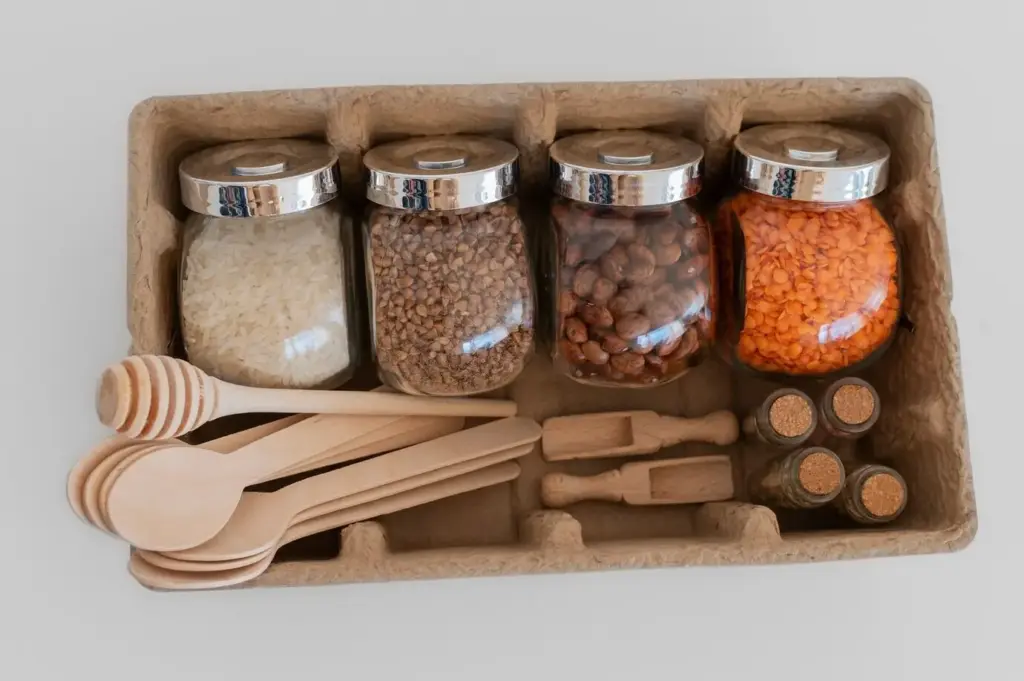
Glass containers with tight lids preserve flavors and endure temperature swings. Mason jars corral nuts, grains, and leftovers stylishly. Beeswax wraps breathe to keep herbs perky and bread inviting, while silicone bags handle marinades and freezer missions. Label contents and dates to avoid mystery meals. A dedicated shelf ensures everything returns to the same, predictable spot. Suddenly, weeknights feel simpler, ingredients stay visible, and lunches stack neatly for quick mornings without brittle clamshells or crinkly single-use wraps.

Cleaning Gear That Lasts

Trade disposable paper towels for sturdy cotton cloths and cellulose sponge cloths that sip spills and scrub pans without shredding. Natural fiber brushes tackle baked-on bits, while a copper or stainless scrubber rescues cast iron respectfully. Color-code cloths for counters, dishes, and floors to prevent cross-contamination. Wash on hot when needed, sun-dry for freshness, and rotate sets so nothing lingers damp. Over time, your cleaning kit becomes a trusted crew that outperforms throwaways with quiet reliability.

Beverage and Prep Upgrades

Insulated bottles end countless plastic purchases, keeping water cold and coffee warm for hours. Reusable straws, ideally stainless or silicone, elevate smoothies without soggy frustration. For prep, switch to silicone baking mats, long-lived parchment alternatives, and durable measuring tools. A quality kettle and filter carafe refine daily rituals while cutting single-use pods and plastic jugs. These upgrades deliver comfort, consistency, and delightful routines, making sustainable choices feel like an indulgence rather than a sacrifice you reluctantly endure.

Money, Carbon, and Time: The Break‑Even Math

Durable goods pay for themselves through repeated use. A set of glass containers can replace dozens of rolls of plastic wrap each year, while cloth towels survive hundreds of washes. Carbon footprints improve as manufacturing impacts are amortized across many cycles. Wash efficiently—full loads, cooler water when appropriate, line-drying when possible—and those gains multiply. Track a few purchases in a simple spreadsheet or note, and watch savings grow. The math favors patience, care, and thoughtful routine.

Your Personal Calculator

List frequent disposables—paper towels, plastic bags, wraps, sponges—and their typical monthly cost. Next, note the price of durable alternatives and expected lifespans. Estimate wash energy using your machine’s eco settings and detergent dosage. Even rough numbers reveal clear break-even points. Revisit the sheet quarterly, celebrating reduced purchases and fewer emergency store runs. This visibility fuels motivation, empowers smarter choices, and proves that small, consistent habits accumulate into meaningful budget relief without undermining comfort or treasured kitchen rituals.

Smarter Washing, Lower Impact

Washing well determines both hygiene and sustainability. Run full loads, choose effective cold-water detergents when suitable, and lean on sun and airflow for drying whenever possible. For heavier soiling, targeted pre-soaks beat heavy cycles and extend fabric life. A simple rack near the sink speeds air-drying cloths and lids, preventing musty smells. Periodic hot cycles sanitize without daily overkill. These tweaks reduce energy, protect textiles, and keep reusables pleasant to handle, safeguarding the very investment that displaces endless throwaways.

Stories from Real Kitchens

Change sticks when it feels personal. Families balancing homework and soccer discovered that swapping paper towels for cloth cut clutter and stress. A home baker fell for silicone mats that deliver perfect cookies and rinse clean. A retiree’s herb garden thrives on compost made from coffee grounds and peels. These lived details keep momentum alive. Share your wins or hurdles in the comments, tag us with photos, and inspire others to try one doable swap this week.

Five Fast Swaps

Try Swedish dishcloths for spills, beeswax wraps for bread, silicone bags for snacks, a glass container set for leftovers, and a sturdy bottle for daily hydration. These cover common moments that generate the most waste. Keep everything visible and reachable. If a swap feels awkward, move it closer, resize, or retry with a different style. Progress thrives on fit, not force. Track what you actually use, then expand gradually. The best system is the one you enjoy using repeatedly.

Set Up Easy Composting

Start with a small, lidded countertop bin and a larger outdoor container or municipal collection plan. Line the caddy with compostable paper or nothing at all if you empty it frequently. Keep a simple cheat sheet of accepted materials, and remove produce stickers before tossing. If odor appears, add dry browns like shredded paper or leaves, and empty more often. Consistency beats perfection. Over time, you will notice lighter trash, richer soil, and a satisfying rhythm that supports cooking.

Bring Everyone Onboard

Sustainability sticks when the whole household understands the why and the how. Assign easy roles—one person empties the caddy, another washes cloths, a third labels jars. Place a friendly guide on the fridge with swap locations and washing cues. Ask for feedback after the first week and adjust what slows people down. Celebrate milestones, like a month without buying paper towels. When everyone sees benefits—tidier counters, fewer errands—they stay engaged, and the new routine becomes your shared, relaxed normal.

Care, Hygiene, and Durability

Clean reusables feel inviting. Rinse containers promptly, let lids air-dry fully, and rotate cloths so none stay wet. Periodic sanitizing cycles prevent buildup without harsh chemicals, while sunlight refreshes fabrics and neutralizes odors naturally. Store wraps and bags open until completely dry, then close gently to preserve seals. Inspect gaskets and brushes monthly, replacing parts before failures. These small habits protect the investment that makes your kitchen calmer, cheaper, and kinder to the planet week after week.

Sanitize Without Harshness

Boiling water, oxygen-based bleach, and occasional high-heat cycles sanitize effectively while treating most materials respectfully. Check manufacturer guidance for silicone, bamboo, and beeswax wraps to avoid warping or wax loss. Vinegar rinses can banish film, and baking soda scrubs lift stains without deep scratches. Keep a simple schedule—weekly for high-touch cloths, monthly for gear that sees sauces. Balanced care preserves performance, protects skin, and ensures that every reusable you reach for feels clean, fresh, and ready.

Beat Mold and Odors

Moisture control is everything. Wring cloths thoroughly, hang them with space for airflow, and avoid dark, cramped storage. Open silicone bags after washing and nest containers dry, not sealed. If mustiness creeps in, a short sunbath or diluted peroxide rinse resets freshness. Rotate sets so nothing becomes a forgotten swamp. Odor logs help spot patterns, like overstuffed drying racks or rushed end-of-night cleanup. Solve those small bottlenecks, and freshness will stick effortlessly through busy weeks and big cooking sessions.

Tarilenutuko
Privacy Overview

This website uses cookies so that we can provide you with the best user experience possible. Cookie information is stored in your browser and performs functions such as recognising you when you return to our website and helping our team to understand which sections of the website you find most interesting and useful.